Ordering Recommendations

For orders from non-UC San Diego Health providers, a bulk account for institutional billing is necessary prior to placing orders and shipping specimens.

For specimens collected at a non-UC San Diego Health facility, please see UCSD Test Menu under Additional Collection Information (miRNA Shipping Instructions)

Performed

Weekly

Methodology

Reverse Transcription / Quantitative Polymerase Chain Reaction

Reported

Routine: 10 days from receipt of specimen

Synonyms

  • miR-371a-3p Quantitative Analysis
  • MR371
  • miRNA
  • MicroRNA
  • miRNA Levels
  • Serum miR-371a-3p
  • Germ Cell Tumors (GCTs)
  • Inherited Disease
  • Clinical Genomics

Performing Lab

Clinical Genomics

Turnaround Time

After specimen receipt in the Clinical Genomics Lab, results are generally available within 10 days.

Add-on Eligibility

NO

Specimen Type

Blood

Specimen Preparation

Blood specimens collected in Serum Separator Tubes (SSTs) must be centrifuged within 2 hours of the collection time for optimal sample integrity.

NOTE: Specimens collected in SSTs MUST sit for 30 minutes prior to centrifugation to allow for complete clot formation.

Specimen Volume

Adult: mL (Minimum: 3 mL)
Pediatric: 3 mL (Minimum: 3 mL)

*This refers to specimen volume at collection prior to any processing

Collection Container

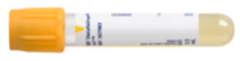
Serum Separator Tube (SST, Gold Top Vacutainer)

Pediatric Collection

3.0 mL Serum Separator Tube (SST, Gold Top Vacutainer)

Unacceptable Conditions

  1. Grossly hemolyzed specimens
  2. Specimens that have been improperly collected, stored, or transported
    • Specimens that have been frozen
    • Commingled specimens
  3. Specimens in tubes that have been damaged or broken during transport
  4. Specimens that have not been centrifuged within 2 hours of collection
  5. Specimens containing insufficient volume of serum once separated from cells
  6. Unlabeled or mislabeled specimens

Storage/Transport Temperature

Transport Instructions
Collection LocationTransport TemperatureProcessing RequiredTimeframe
ED/InpatientRoom TemperatureNoneSpecimen must be received by the lab within 2 hours of collection
Room TemperatureAllow blood to clot for 30 minutes in a vertical position. Centrifuge to separate from cells within 2 hours of collection.Specimen must be received by the lab within 48 hours of collection
Laboratory/
Outpatient/
Off-Site
Room TemperatureAllow blood to clot for 30 minutes in a vertical position. Centrifuge to separate from cells within 2 hours of collection.Specimen must be received by the lab within 48 hours of collection

Storage: Refrigerated

Stability (from collection to initiation)

Stability:
Prior to separation from cells:
  • Room Temperature: 2 hours
After separation from cells:
  • Room Temperature: 48 hours
  • Refrigerated: 48 hours
  • Frozen: Unacceptable
Extracted RNA:
  • Room Temperature: Unacceptable
  • Refrigerated: Unacceptable
  • Frozen: Indefinitely

Laboratory Storage: 
  • Original Specimen: Refrigerated
  • Extracted RNA: Frozen
Laboratory Retention: 
  • Original Specimen: 1 month
  • Extracted RNA: 6 weeks

Remarks

Serum must be received by the Clinical Genomics Laboratory within 48 hours of collection due to RNA lability

Collection Instructions

Labeling Instructions:
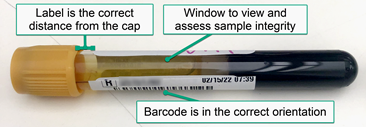
  1. When labeling blood tubes, leave a small window visible for the lab to assess the fill volume and sample integrity
  2. Ensure that the barcode is in the correct orientation

Collection Instructions:
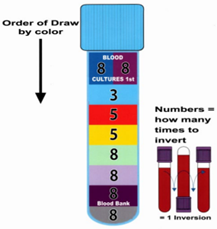
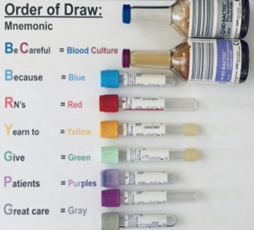
  1. Follow the correct order of draw when collecting with additional orders and tube types:
     
 
Processing Instructions:
  1. Invert the collection tube according to the number of inversions in the chart above
  2. Place the tube upright in a rack and allow the tube to sit for 30 minutes to ensure adequate clotting time
  3. Centrifuge and separate from cells within 2 hours of collection

Reference Interval

Not Detected

Interpretive Data

Positive: miR-371a-3p Cq values less than 26.9 are considered positive.
Negative: miR-371a-3p Cq values greater than or equal to 26.9 are considered negative.

Germ cell tumors (GCTs) are a heterogeneous group of neoplasms originating at various points in germ cell development, with testicular germ cell tumors (TGCTs) being the most common malignancy affecting adult men between the ages 15 and 35 years. MicroRNAs (miRNAs) are short non-protein-coding RNAs that regulate gene expression of approximately one-third of protein-coding genes. The microRNA miRNA-371a-3p has been shown to be overexpressed in GCTs, and elevated levels of miR-371a-3p has been shown to be correlated with the presence of a viable (non-teratoma) GCT. This serum biomarker can be used to aid in the detection of disease and for monitoring disease, and can improve the clinical decision-making process in the care of testicular cancer patients.

Methodology: This test uses a quantitative, reverse transcription real-time polymerase chain reaction (PCR) assay using fluorescence monitoring with primers designed  to detect miR-371a-3p transcripts and transcripts from an internal control (miR-30b-5p). Each single-plex qPCR assay is conducted in triplicate. The
quantification cycle (Cq) value is determined from the mean overall fluorescence from the triplicate assays, correlating to amount of miR-371q-3p transcript. Specimens with Cq values less than 26.9 are considered positive. 

Limitations: This test is specific for miR-371a-3p transcripts only. The estimated sensitivity and specificity for this assay is 90% and 94%, respectively. The results of this test should be interpreted using morphologic and other clinically relevant data. These results should not be used alone for diagnosis of malignancy. 

This test was developed and its performance characteristics determined by the UC San Diego Health Clinical Genomics Laboratory. It has not been cleared or approved by the US Food and Drug Administration. FDA clearance or approval is not required for clinical use. The result of this test should be interpreted using all relevant clinical data and should not be used alone for clinical diagnosis or patient management decisions.
Ordering

Ordering Recommendations

For orders from non-UC San Diego Health providers, a bulk account for institutional billing is necessary prior to placing orders and shipping specimens.

For specimens collected at a non-UC San Diego Health facility, please see UCSD Test Menu under Additional Collection Information (miRNA Shipping Instructions)

Performed

Weekly

Methodology

Reverse Transcription / Quantitative Polymerase Chain Reaction

Reported

Routine: 10 days from receipt of specimen

Synonyms

  • miR-371a-3p Quantitative Analysis
  • MR371
  • miRNA
  • MicroRNA
  • miRNA Levels
  • Serum miR-371a-3p
  • Germ Cell Tumors (GCTs)
  • Inherited Disease
  • Clinical Genomics

Performing Lab

Clinical Genomics

Turnaround Time

After specimen receipt in the Clinical Genomics Lab, results are generally available within 10 days.

Add-on Eligibility

NO
Collection

Specimen Type

Blood

Specimen Preparation

Blood specimens collected in Serum Separator Tubes (SSTs) must be centrifuged within 2 hours of the collection time for optimal sample integrity.

NOTE: Specimens collected in SSTs MUST sit for 30 minutes prior to centrifugation to allow for complete clot formation.

Specimen Volume

Adult: mL (Minimum: 3 mL)
Pediatric: 3 mL (Minimum: 3 mL)

*This refers to specimen volume at collection prior to any processing

Collection Container

Serum Separator Tube (SST, Gold Top Vacutainer)

Pediatric Collection

3.0 mL Serum Separator Tube (SST, Gold Top Vacutainer)

Unacceptable Conditions

  1. Grossly hemolyzed specimens
  2. Specimens that have been improperly collected, stored, or transported
    • Specimens that have been frozen
    • Commingled specimens
  3. Specimens in tubes that have been damaged or broken during transport
  4. Specimens that have not been centrifuged within 2 hours of collection
  5. Specimens containing insufficient volume of serum once separated from cells
  6. Unlabeled or mislabeled specimens

Storage/Transport Temperature

Transport Instructions
Collection LocationTransport TemperatureProcessing RequiredTimeframe
ED/InpatientRoom TemperatureNoneSpecimen must be received by the lab within 2 hours of collection
Room TemperatureAllow blood to clot for 30 minutes in a vertical position. Centrifuge to separate from cells within 2 hours of collection.Specimen must be received by the lab within 48 hours of collection
Laboratory/
Outpatient/
Off-Site
Room TemperatureAllow blood to clot for 30 minutes in a vertical position. Centrifuge to separate from cells within 2 hours of collection.Specimen must be received by the lab within 48 hours of collection

Storage: Refrigerated

Stability (from collection to initiation)

Stability:
Prior to separation from cells:
  • Room Temperature: 2 hours
After separation from cells:
  • Room Temperature: 48 hours
  • Refrigerated: 48 hours
  • Frozen: Unacceptable
Extracted RNA:
  • Room Temperature: Unacceptable
  • Refrigerated: Unacceptable
  • Frozen: Indefinitely

Laboratory Storage: 
  • Original Specimen: Refrigerated
  • Extracted RNA: Frozen
Laboratory Retention: 
  • Original Specimen: 1 month
  • Extracted RNA: 6 weeks

Remarks

Serum must be received by the Clinical Genomics Laboratory within 48 hours of collection due to RNA lability

Collection Instructions

Labeling Instructions:
  1. When labeling blood tubes, leave a small window visible for the lab to assess the fill volume and sample integrity
  2. Ensure that the barcode is in the correct orientation

Collection Instructions:
  1. Follow the correct order of draw when collecting with additional orders and tube types:
     
 
Processing Instructions:
  1. Invert the collection tube according to the number of inversions in the chart above
  2. Place the tube upright in a rack and allow the tube to sit for 30 minutes to ensure adequate clotting time
  3. Centrifuge and separate from cells within 2 hours of collection
Result Interpretation

Reference Interval

Not Detected

Interpretive Data

Positive: miR-371a-3p Cq values less than 26.9 are considered positive.
Negative: miR-371a-3p Cq values greater than or equal to 26.9 are considered negative.

Germ cell tumors (GCTs) are a heterogeneous group of neoplasms originating at various points in germ cell development, with testicular germ cell tumors (TGCTs) being the most common malignancy affecting adult men between the ages 15 and 35 years. MicroRNAs (miRNAs) are short non-protein-coding RNAs that regulate gene expression of approximately one-third of protein-coding genes. The microRNA miRNA-371a-3p has been shown to be overexpressed in GCTs, and elevated levels of miR-371a-3p has been shown to be correlated with the presence of a viable (non-teratoma) GCT. This serum biomarker can be used to aid in the detection of disease and for monitoring disease, and can improve the clinical decision-making process in the care of testicular cancer patients.

Methodology: This test uses a quantitative, reverse transcription real-time polymerase chain reaction (PCR) assay using fluorescence monitoring with primers designed  to detect miR-371a-3p transcripts and transcripts from an internal control (miR-30b-5p). Each single-plex qPCR assay is conducted in triplicate. The
quantification cycle (Cq) value is determined from the mean overall fluorescence from the triplicate assays, correlating to amount of miR-371q-3p transcript. Specimens with Cq values less than 26.9 are considered positive. 

Limitations: This test is specific for miR-371a-3p transcripts only. The estimated sensitivity and specificity for this assay is 90% and 94%, respectively. The results of this test should be interpreted using morphologic and other clinically relevant data. These results should not be used alone for diagnosis of malignancy. 

This test was developed and its performance characteristics determined by the UC San Diego Health Clinical Genomics Laboratory. It has not been cleared or approved by the US Food and Drug Administration. FDA clearance or approval is not required for clinical use. The result of this test should be interpreted using all relevant clinical data and should not be used alone for clinical diagnosis or patient management decisions.