For diagnosis of common causes of bacterial gastroenteritis. This test routinely detects Salmonella, Shigella, Campylobacter, Yersinia enterocolitica, Escherichia coli O157:H7. It also includes a Shiga toxin test to detect other Shiga-toxin-producing E. coli strains. If other pathogens (such as Aeromonas, Vibrio) are suspected based upon patient history, communicate with lab so additional steps can be taken to maximize chance of recovery.
Patient Preparation
If possible, avoid recent antibiotics, x-ray contrast material, antidiarrheal medications, antacids, bismuth, and mineral oil.
EPIC code
LAB223
Collect
PREFERRED:
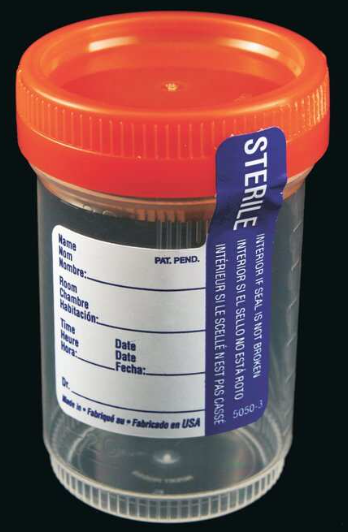
STERILE CONTAINER: ONLY IF STOOL WILL BE TRANSPORTED TO THE LAB WITHIN 2 HOURS OF COLLECTION.
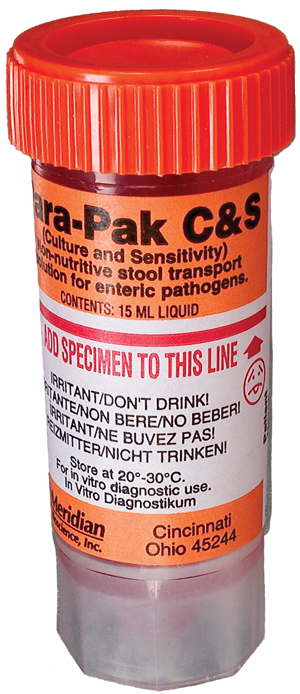
PARA-PAK C&S-CARY BLAIR MEDIA: FOR ALL OTHER SPECIMENS
ACCEPTABLE: RECTAL SWAB (ESWAB)
Specimen Preparation
ENSURE THE LID IS TIGHTLY SEALED BEFORE TRANSPORT.
Specimen Volume
PARA-PAK: FILL THE CONTIANER TO THE PROVIDED RED LINE.
1G FOR ALL OTHER SOURCES
Storage/Transport Temperature
AMBIENT
Unacceptable Conditions
Specimens are not acceptable for routine culture if the patient has been admitted to the hospital for more than 3 days because bacterial gastroenteritis is an acute community-acquired disease and generally does not develop after hospitalization. In rare instances specimens may be acceptable after this three-day time period, but specific approval must be obtained from the microbiology laboratory director before being submitted.
Specimens from bedpans are acceptable unless there is residual soap, detergent, disinfectant, or urine.
Diapers are not acceptable.
Performed
Sun-Sat
Lab Dept
CPA MICRO
Reference Interval
No growth Salmonella, Shigella, Campylobacter, Yersinia enterocolitica, or E. coli O157.
Reported
2-5 days
Methodology
Culture, toxin testing, identification and susceptibility testing as appropriate.
Last Updated
10/15/2024
Lab Dept
CPA MICRO
Lab Test Information
Ordering Recommendations
For diagnosis of common causes of bacterial gastroenteritis. This test routinely detects Salmonella, Shigella, Campylobacter, Yersinia enterocolitica, Escherichia coli O157:H7. It also includes a Shiga toxin test to detect other Shiga-toxin-producing E. coli strains. If other pathogens (such as Aeromonas, Vibrio) are suspected based upon patient history, communicate with lab so additional steps can be taken to maximize chance of recovery.
Patient Preparation
If possible, avoid recent antibiotics, x-ray contrast material, antidiarrheal medications, antacids, bismuth, and mineral oil.
EPIC code
LAB223
Collect
PREFERRED:
STERILE CONTAINER: ONLY IF STOOL WILL BE TRANSPORTED TO THE LAB WITHIN 2 HOURS OF COLLECTION.
PARA-PAK C&S-CARY BLAIR MEDIA: FOR ALL OTHER SPECIMENS
ACCEPTABLE: RECTAL SWAB (ESWAB)
Specimen Preparation
ENSURE THE LID IS TIGHTLY SEALED BEFORE TRANSPORT.
Specimen Volume
PARA-PAK: FILL THE CONTIANER TO THE PROVIDED RED LINE.
1G FOR ALL OTHER SOURCES
Storage/Transport Temperature
AMBIENT
Unacceptable Conditions
Specimens are not acceptable for routine culture if the patient has been admitted to the hospital for more than 3 days because bacterial gastroenteritis is an acute community-acquired disease and generally does not develop after hospitalization. In rare instances specimens may be acceptable after this three-day time period, but specific approval must be obtained from the microbiology laboratory director before being submitted.
Specimens from bedpans are acceptable unless there is residual soap, detergent, disinfectant, or urine.
Diapers are not acceptable.
Performed
Sun-Sat
Lab Dept
CPA MICRO
Reference Interval
No growth Salmonella, Shigella, Campylobacter, Yersinia enterocolitica, or E. coli O157.
Reported
2-5 days
Methodology
Culture, toxin testing, identification and susceptibility testing as appropriate.