Outpatient Submit with Specimen

** Please note BOTH documents are required with test submission

Diagnostic Immunology Requisition

ADA2 Patient Information Data Form

Collect

Collect

 
Specimen TypeType of ContainerVolume of SpecimenStatus
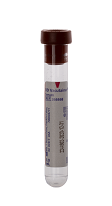
Whole blood3 mL Red tube, (no anticoagulant), No Gel3 mLPreferred


Container Image

Outpatient Specimen Preparation

Whole blood: Do not freeze 
                    Refrigerate after collection
                    If unable to transport to lab within 48 hours, specimen should be centrifuged and frozen”

Unacceptable Conditions

Wrong collection tube, Thawed serum specimen, Not received within specified time frame

Stability

Whole blood: Room temperature 24 hours 
Whole blood : Refrigerated 48 hours

Serum: Frozen 12 weeks

Remarks

INTERNAL (NCH) SAMPLES:

Internal Samples can be collected Monday-Friday and should be received no later than 4 pm on Friday, for testing to be performed.

Inpatient: Do not collect between samples after 3 pm on Friday and on Saturday due to stability of the sample. Collect on Sunday noon or on Holidays, only if the next day is a business day.

Outpatient- Do not collect unless the courier will deliver to Main Laboratory by 4 pm Friday. Do not collect on Saturday. Samples may be collected on Sunday, if the next day is a business day.


EXTERNAL INSTITUTIONS

Samples from external institutions should be collected between Monday - Thursday only. If an external sample is drawn on Thursday, it should be sent with priority shipping to ensure that the sample is received in the lab by 4 pm on Friday. 

To request weekend testing the Lab or Lab Director should be contacted in advance. Without advance notice, testing on samples received late on Friday and over the weekend will be cancelled. 

Clinical Information

Clinical Utility:
There are 2 distinct adenosine deaminase (ADA) enzymes in humans, ADA1 and ADA2. While both enzymes catalyze the same reaction (deamination of adenosine to inosine), they differ significantly in their structure, cellular location, tissue distribution and biological functions. ADA1 is primarily present intracellularly (cytosol of nearly all cells), while ADA2 is primarily extracellular (plasma, serum and secreted by macrophages/monocytes). The former is a monomer (40kDa) while the latter is a dimer (110kDA). ADA1 has a high affinity for adenosine and deoxyadenosine, while the latter has a lower affinity for adenosine. ADA1 is essential for purine metabolism and its deficiency causes a form of severe combined immunodeficiency (SCID), while ADA2 is important for immune modulation, macrophage differentiation, inflammation, and its deficiency causes Deficiency of Adenosine Deaminase 2 (DADA2). While ADA1 is ubiquitous in expression, ADA2 is expressed primarily in cells of the myeloid lineage (monocytes, macrophages and dendritic cells, DCs).

This assay is intended for the measurement of ADA2 enzyme activity in serum or plasma.

ADA2 is an enzyme, which catalyzes the deamination of extracellular adenosine (Ado) to inosine (Ino) and a growth factor. It also converts 2'-deoxyadenosine to 2'-deoxyinosine. The primary enzymatic activity of ADA2 involves an irreversible reaction within the purine salvage pathway, mainly in the extracellular space (e.g., plasma, serum). ADA2 helps maintain a proper balance between pro-inflammatory (M1) and anti-inflammatory (M2) macrophages.

DADA2 is an inborn error of immunity or a primary immune disorder, which is autosomal recessive caused by loss-of-function (LOF) pathogenic variants in the ADA2 gene. This deficiency leads to a multi-faceted phenotype with both immune and other systemic defects, including immunodeficiency, autoinflammation, early and/or recurrent strokes, systemic vasculitis, bone marrow failure with features, such as pure red cell aplasia, among other symptoms. The lack of ADA2 disrupts macrophage balance leading to excess TNFa production and systemic inflammation. 

Elevated ADA2 activity is observed in a variety of hyperinflammatory conditions, including infections, malignancies and other contexts of immune dysregulation. It can be observed to be increased along with other cytokines in macrophage activation syndrome (MAS) and GVHD (graft vs host disease), including other systemic inflammatory contexts.

Measuring ADA2 enzyme activity is crucial for both diagnosing DADA2 and monitoring hyperinflammatory conditions. 

The diagnosis of DADA2 is confirmed by very low (less than 5% of normal) or undetectable plasma/serum ADA2 catalytic activity. This functional test is essential because genetic testing alone might miss certain pathogenic variants (e.g., large gene deletions) or yield variants of uncertain significance. The level of residual enzyme activity can also correlate with disease severity and potentially response to treatment (e.g. anti-TNF therapy). In general, carriers of DADA2 have higher levels than DADA2 patients, but can overlap with DADA2 patients and healthy controls. Genetic testing provides a confirmatory diagnosis, in addition, to measurement of ADA2 levels.

As mentioned previously, ADA2 enzyme activity levels can also serve as a biomarker for hyperinflammation. In MAS, ADA2 enzyme activity levels appear to correlate well with other MAS biomarkers like ferritin and IL-18 and can be used to monitor disease activity and therapeutic response. ADA2 has also been reported to be elevated in contexts of chronic GVHD as well as other disorders manifesting with an increased inflammatory response. Pentostatin is a potent, irreversible transition state inhibitor of ADA. It primarily and effectively inhibits both ADA1 and ADA2 isoforms, although its main clinical application leverages its profound effect on ADA1-rich lymphoid cells. However, its significant systemic toxicity and non-specific inhibition along with disruption of normal immune homeostasis makes it undesirable for treating systemic inflammation related to increased ADA2 levels.

ADA2 levels are typically higher in healthy children compared to healthy adults, and therefore, age-specific reference intervals have been established in this laboratory with this assay.

Cladribine treatment can result in a false-positive result for DADA2 as it is a purine analog that is resistant to degradation by ADA1 and can accumulate in lymphocytes. Since ADA2 measures the functional enzymatic conversion of an adenosine substrate to inosine in a patient's plasma or serum sample, cladribine, being an adenosine analog, could potentially act as a competitive substrate or an inhibitor of the ADA2 enzyme, and interfere with the assay methodology, potentially leading to inaccurate or suppressed ADA2 activity results. For diagnostic purposes, establishing a patient's natural baseline ADA2 activity is crucial. This is best done before exposure to drugs that interfere with the purine salvage pathway or ADA enzyme function. 

Clinical Report:
The report will provide ADA2 enzyme activity levels in 3 primary clinical contexts:
1. Deficiency of ADA2 enzyme activity (DADA2)
2. Carrier status for DADA2
3. Increased ADA2 enzyme activity consistent with hyperinflammation

The report will include a reference interval, derived from DADA2 patients and carriers (Pui Lee team, 2025, In Press, Arthritis & Rheumatology; Pui Lee et al, 2020, doi: 10.1016/j.jaci.2019.12.908) as well as from pediatric and adult healthy controls (internally established). A relevant comment on clinical significance will be included in the report.

Days Performed

Monday through Friday

Set Up Schedule

Dayshift

Typical Turnaround

36 hours

Lab Area

Core Lab, Diagnostic Immunology

Methodology

Enzyme activity assay (Spectrophotometry)

CPT Codes

84311

Result Units

mU/mL

Synonyms

  • Adenosine deaminase 2
  • Adenosine deaminase
  • ADA2

Collect

Collect

 
Specimen TypeType of ContainerVolume of SpecimenStatus
Whole blood3 mL Red tube, (no anticoagulant), No Gel3 mLPreferred


Minimum Volume

Specimen TypeType of ContainerMinimum Volume
Whole blood3 mL Red tube, (no anticoagulant), No Gel1 mL
SerumTransfer tube0.5 mL


Container Image

Inpatient Specimen Preparation

Whole blood:
Send to the lab at room temperature or refrigerated
Transport to laboratory as soon as possible
Blood at ambient temperature should arrive within 24 hours of collection

Unacceptable Conditions

Wrong collection tube, Thawed serum specimen, Not received within specified time frame

Stability

Whole blood: Room temperature 24 hours 
Whole blood : Refrigerated 48 hours

Serum: Frozen 12 weeks

Remarks

INTERNAL (NCH) SAMPLES:

Internal Samples can be collected Monday-Friday and should be received no later than 4 pm on Friday, for testing to be performed.

Inpatient: Do not collect between samples after 3 pm on Friday and on Saturday due to stability of the sample. Collect on Sunday noon or on Holidays, only if the next day is a business day.

Outpatient- Do not collect unless the courier will deliver to Main Laboratory by 4 pm Friday. Do not collect on Saturday. Samples may be collected on Sunday, if the next day is a business day.


EXTERNAL INSTITUTIONS

Samples from external institutions should be collected between Monday - Thursday only. If an external sample is drawn on Thursday, it should be sent with priority shipping to ensure that the sample is received in the lab by 4 pm on Friday. 

To request weekend testing the Lab or Lab Director should be contacted in advance. Without advance notice, testing on samples received late on Friday and over the weekend will be cancelled. 

Clinical Information

Clinical Utility:
There are 2 distinct adenosine deaminase (ADA) enzymes in humans, ADA1 and ADA2. While both enzymes catalyze the same reaction (deamination of adenosine to inosine), they differ significantly in their structure, cellular location, tissue distribution and biological functions. ADA1 is primarily present intracellularly (cytosol of nearly all cells), while ADA2 is primarily extracellular (plasma, serum and secreted by macrophages/monocytes). The former is a monomer (40kDa) while the latter is a dimer (110kDA). ADA1 has a high affinity for adenosine and deoxyadenosine, while the latter has a lower affinity for adenosine. ADA1 is essential for purine metabolism and its deficiency causes a form of severe combined immunodeficiency (SCID), while ADA2 is important for immune modulation, macrophage differentiation, inflammation, and its deficiency causes Deficiency of Adenosine Deaminase 2 (DADA2). While ADA1 is ubiquitous in expression, ADA2 is expressed primarily in cells of the myeloid lineage (monocytes, macrophages and dendritic cells, DCs).

This assay is intended for the measurement of ADA2 enzyme activity in serum or plasma.

ADA2 is an enzyme, which catalyzes the deamination of extracellular adenosine (Ado) to inosine (Ino) and a growth factor. It also converts 2'-deoxyadenosine to 2'-deoxyinosine. The primary enzymatic activity of ADA2 involves an irreversible reaction within the purine salvage pathway, mainly in the extracellular space (e.g., plasma, serum). ADA2 helps maintain a proper balance between pro-inflammatory (M1) and anti-inflammatory (M2) macrophages.

DADA2 is an inborn error of immunity or a primary immune disorder, which is autosomal recessive caused by loss-of-function (LOF) pathogenic variants in the ADA2 gene. This deficiency leads to a multi-faceted phenotype with both immune and other systemic defects, including immunodeficiency, autoinflammation, early and/or recurrent strokes, systemic vasculitis, bone marrow failure with features, such as pure red cell aplasia, among other symptoms. The lack of ADA2 disrupts macrophage balance leading to excess TNFa production and systemic inflammation. 

Elevated ADA2 activity is observed in a variety of hyperinflammatory conditions, including infections, malignancies and other contexts of immune dysregulation. It can be observed to be increased along with other cytokines in macrophage activation syndrome (MAS) and GVHD (graft vs host disease), including other systemic inflammatory contexts.

Measuring ADA2 enzyme activity is crucial for both diagnosing DADA2 and monitoring hyperinflammatory conditions. 

The diagnosis of DADA2 is confirmed by very low (less than 5% of normal) or undetectable plasma/serum ADA2 catalytic activity. This functional test is essential because genetic testing alone might miss certain pathogenic variants (e.g., large gene deletions) or yield variants of uncertain significance. The level of residual enzyme activity can also correlate with disease severity and potentially response to treatment (e.g. anti-TNF therapy). In general, carriers of DADA2 have higher levels than DADA2 patients, but can overlap with DADA2 patients and healthy controls. Genetic testing provides a confirmatory diagnosis, in addition, to measurement of ADA2 levels.

As mentioned previously, ADA2 enzyme activity levels can also serve as a biomarker for hyperinflammation. In MAS, ADA2 enzyme activity levels appear to correlate well with other MAS biomarkers like ferritin and IL-18 and can be used to monitor disease activity and therapeutic response. ADA2 has also been reported to be elevated in contexts of chronic GVHD as well as other disorders manifesting with an increased inflammatory response. Pentostatin is a potent, irreversible transition state inhibitor of ADA. It primarily and effectively inhibits both ADA1 and ADA2 isoforms, although its main clinical application leverages its profound effect on ADA1-rich lymphoid cells. However, its significant systemic toxicity and non-specific inhibition along with disruption of normal immune homeostasis makes it undesirable for treating systemic inflammation related to increased ADA2 levels.

ADA2 levels are typically higher in healthy children compared to healthy adults, and therefore, age-specific reference intervals have been established in this laboratory with this assay.

Cladribine treatment can result in a false-positive result for DADA2 as it is a purine analog that is resistant to degradation by ADA1 and can accumulate in lymphocytes. Since ADA2 measures the functional enzymatic conversion of an adenosine substrate to inosine in a patient's plasma or serum sample, cladribine, being an adenosine analog, could potentially act as a competitive substrate or an inhibitor of the ADA2 enzyme, and interfere with the assay methodology, potentially leading to inaccurate or suppressed ADA2 activity results. For diagnostic purposes, establishing a patient's natural baseline ADA2 activity is crucial. This is best done before exposure to drugs that interfere with the purine salvage pathway or ADA enzyme function. 

Clinical Report:
The report will provide ADA2 enzyme activity levels in 3 primary clinical contexts:
1. Deficiency of ADA2 enzyme activity (DADA2)
2. Carrier status for DADA2
3. Increased ADA2 enzyme activity consistent with hyperinflammation

The report will include a reference interval, derived from DADA2 patients and carriers (Pui Lee team, 2025, In Press, Arthritis & Rheumatology; Pui Lee et al, 2020, doi: 10.1016/j.jaci.2019.12.908) as well as from pediatric and adult healthy controls (internally established). A relevant comment on clinical significance will be included in the report.

Days Performed

Monday through Friday

Set Up Schedule

Dayshift

Typical Turnaround

36 hours

CPT Codes

84311

Lab Area

Core Lab, Diagnostic Immunology

Result Units

mU/mL

Synonyms

  • ADA2
  • Adenosine deaminase
  • Adenosine deaminase 2

Synonyms

  • ADA2
  • Adenosine deaminase
  • Adenosine deaminase 2

CPT Codes

84311

Clinical Information

Clinical Utility:
There are 2 distinct adenosine deaminase (ADA) enzymes in humans, ADA1 and ADA2. While both enzymes catalyze the same reaction (deamination of adenosine to inosine), they differ significantly in their structure, cellular location, tissue distribution and biological functions. ADA1 is primarily present intracellularly (cytosol of nearly all cells), while ADA2 is primarily extracellular (plasma, serum and secreted by macrophages/monocytes). The former is a monomer (40kDa) while the latter is a dimer (110kDA). ADA1 has a high affinity for adenosine and deoxyadenosine, while the latter has a lower affinity for adenosine. ADA1 is essential for purine metabolism and its deficiency causes a form of severe combined immunodeficiency (SCID), while ADA2 is important for immune modulation, macrophage differentiation, inflammation, and its deficiency causes Deficiency of Adenosine Deaminase 2 (DADA2). While ADA1 is ubiquitous in expression, ADA2 is expressed primarily in cells of the myeloid lineage (monocytes, macrophages and dendritic cells, DCs).

This assay is intended for the measurement of ADA2 enzyme activity in serum or plasma.

ADA2 is an enzyme, which catalyzes the deamination of extracellular adenosine (Ado) to inosine (Ino) and a growth factor. It also converts 2'-deoxyadenosine to 2'-deoxyinosine. The primary enzymatic activity of ADA2 involves an irreversible reaction within the purine salvage pathway, mainly in the extracellular space (e.g., plasma, serum). ADA2 helps maintain a proper balance between pro-inflammatory (M1) and anti-inflammatory (M2) macrophages.

DADA2 is an inborn error of immunity or a primary immune disorder, which is autosomal recessive caused by loss-of-function (LOF) pathogenic variants in the ADA2 gene. This deficiency leads to a multi-faceted phenotype with both immune and other systemic defects, including immunodeficiency, autoinflammation, early and/or recurrent strokes, systemic vasculitis, bone marrow failure with features, such as pure red cell aplasia, among other symptoms. The lack of ADA2 disrupts macrophage balance leading to excess TNFa production and systemic inflammation. 

Elevated ADA2 activity is observed in a variety of hyperinflammatory conditions, including infections, malignancies and other contexts of immune dysregulation. It can be observed to be increased along with other cytokines in macrophage activation syndrome (MAS) and GVHD (graft vs host disease), including other systemic inflammatory contexts.

Measuring ADA2 enzyme activity is crucial for both diagnosing DADA2 and monitoring hyperinflammatory conditions. 

The diagnosis of DADA2 is confirmed by very low (less than 5% of normal) or undetectable plasma/serum ADA2 catalytic activity. This functional test is essential because genetic testing alone might miss certain pathogenic variants (e.g., large gene deletions) or yield variants of uncertain significance. The level of residual enzyme activity can also correlate with disease severity and potentially response to treatment (e.g. anti-TNF therapy). In general, carriers of DADA2 have higher levels than DADA2 patients, but can overlap with DADA2 patients and healthy controls. Genetic testing provides a confirmatory diagnosis, in addition, to measurement of ADA2 levels.

As mentioned previously, ADA2 enzyme activity levels can also serve as a biomarker for hyperinflammation. In MAS, ADA2 enzyme activity levels appear to correlate well with other MAS biomarkers like ferritin and IL-18 and can be used to monitor disease activity and therapeutic response. ADA2 has also been reported to be elevated in contexts of chronic GVHD as well as other disorders manifesting with an increased inflammatory response. Pentostatin is a potent, irreversible transition state inhibitor of ADA. It primarily and effectively inhibits both ADA1 and ADA2 isoforms, although its main clinical application leverages its profound effect on ADA1-rich lymphoid cells. However, its significant systemic toxicity and non-specific inhibition along with disruption of normal immune homeostasis makes it undesirable for treating systemic inflammation related to increased ADA2 levels.

ADA2 levels are typically higher in healthy children compared to healthy adults, and therefore, age-specific reference intervals have been established in this laboratory with this assay.

Cladribine treatment can result in a false-positive result for DADA2 as it is a purine analog that is resistant to degradation by ADA1 and can accumulate in lymphocytes. Since ADA2 measures the functional enzymatic conversion of an adenosine substrate to inosine in a patient's plasma or serum sample, cladribine, being an adenosine analog, could potentially act as a competitive substrate or an inhibitor of the ADA2 enzyme, and interfere with the assay methodology, potentially leading to inaccurate or suppressed ADA2 activity results. For diagnostic purposes, establishing a patient's natural baseline ADA2 activity is crucial. This is best done before exposure to drugs that interfere with the purine salvage pathway or ADA enzyme function. 

Clinical Report:
The report will provide ADA2 enzyme activity levels in 3 primary clinical contexts:
1. Deficiency of ADA2 enzyme activity (DADA2)
2. Carrier status for DADA2
3. Increased ADA2 enzyme activity consistent with hyperinflammation

The report will include a reference interval, derived from DADA2 patients and carriers (Pui Lee team, 2025, In Press, Arthritis & Rheumatology; Pui Lee et al, 2020, doi: 10.1016/j.jaci.2019.12.908) as well as from pediatric and adult healthy controls (internally established). A relevant comment on clinical significance will be included in the report.

Methodology

Enzyme activity assay (Spectrophotometry)

Result Units

mU/mL

Outpatient Submit with Specimen

** Please note BOTH documents are required with test submission

Diagnostic Immunology Requisition

ADA2 Patient Information Data Form

Collect

Collect

 
Specimen TypeType of ContainerVolume of SpecimenStatus
Whole blood3 mL Red tube, (no anticoagulant), No Gel3 mLPreferred


Minimum Volume

Specimen TypeType of ContainerMinimum Volume
Whole blood3 mL Red tube, (no anticoagulant), No Gel1 mL
SerumTransfer tube0.5 mL


Container Image

Inpatient Specimen Preparation

Whole blood:
Send to the lab at room temperature or refrigerated
Transport to laboratory as soon as possible
Blood at ambient temperature should arrive within 24 hours of collection

Outpatient Specimen Preparation

Whole blood: Do not freeze 
                    Refrigerate after collection
                    If unable to transport to lab within 48 hours, specimen should be centrifuged and frozen”

InLab Processing

••• DI, Core and CPA: Whole blood samples ordered as ADA2 should be immediately processed, labeled and frozen by either the NCH Core lab or DI staff depending on when the sample is received.

••• CPA and Core Lab: >>1<< For ADA2, on WEEKDAYS whole blood samples arriving after 20:00 should be processed and frozen by the Core Lab and stored in the Isotemp2 freezer. >>2<< For ADA2, on WEEKENDS and HOLIDAYS, all whole blood samples should be processed as described above by the Core lab and CPA.

•••Frozen plasma and serum samples should be kept frozen and stored in the Isotemp2 freezer•••

Stability

Whole blood: Room temperature 24 hours 
Whole blood : Refrigerated 48 hours

Serum: Frozen 12 weeks

Unacceptable Conditions

Wrong collection tube, Thawed serum specimen, Not received within specified time frame

Days Performed

Monday through Friday

Set Up Schedule

Dayshift

Typical Turnaround

36 hours

Remarks

INTERNAL (NCH) SAMPLES:

Internal Samples can be collected Monday-Friday and should be received no later than 4 pm on Friday, for testing to be performed.

Inpatient: Do not collect between samples after 3 pm on Friday and on Saturday due to stability of the sample. Collect on Sunday noon or on Holidays, only if the next day is a business day.

Outpatient- Do not collect unless the courier will deliver to Main Laboratory by 4 pm Friday. Do not collect on Saturday. Samples may be collected on Sunday, if the next day is a business day.


EXTERNAL INSTITUTIONS

Samples from external institutions should be collected between Monday - Thursday only. If an external sample is drawn on Thursday, it should be sent with priority shipping to ensure that the sample is received in the lab by 4 pm on Friday. 

To request weekend testing the Lab or Lab Director should be contacted in advance. Without advance notice, testing on samples received late on Friday and over the weekend will be cancelled. 

Clinical Information

Clinical Utility:
There are 2 distinct adenosine deaminase (ADA) enzymes in humans, ADA1 and ADA2. While both enzymes catalyze the same reaction (deamination of adenosine to inosine), they differ significantly in their structure, cellular location, tissue distribution and biological functions. ADA1 is primarily present intracellularly (cytosol of nearly all cells), while ADA2 is primarily extracellular (plasma, serum and secreted by macrophages/monocytes). The former is a monomer (40kDa) while the latter is a dimer (110kDA). ADA1 has a high affinity for adenosine and deoxyadenosine, while the latter has a lower affinity for adenosine. ADA1 is essential for purine metabolism and its deficiency causes a form of severe combined immunodeficiency (SCID), while ADA2 is important for immune modulation, macrophage differentiation, inflammation, and its deficiency causes Deficiency of Adenosine Deaminase 2 (DADA2). While ADA1 is ubiquitous in expression, ADA2 is expressed primarily in cells of the myeloid lineage (monocytes, macrophages and dendritic cells, DCs).

This assay is intended for the measurement of ADA2 enzyme activity in serum or plasma.

ADA2 is an enzyme, which catalyzes the deamination of extracellular adenosine (Ado) to inosine (Ino) and a growth factor. It also converts 2'-deoxyadenosine to 2'-deoxyinosine. The primary enzymatic activity of ADA2 involves an irreversible reaction within the purine salvage pathway, mainly in the extracellular space (e.g., plasma, serum). ADA2 helps maintain a proper balance between pro-inflammatory (M1) and anti-inflammatory (M2) macrophages.

DADA2 is an inborn error of immunity or a primary immune disorder, which is autosomal recessive caused by loss-of-function (LOF) pathogenic variants in the ADA2 gene. This deficiency leads to a multi-faceted phenotype with both immune and other systemic defects, including immunodeficiency, autoinflammation, early and/or recurrent strokes, systemic vasculitis, bone marrow failure with features, such as pure red cell aplasia, among other symptoms. The lack of ADA2 disrupts macrophage balance leading to excess TNFa production and systemic inflammation. 

Elevated ADA2 activity is observed in a variety of hyperinflammatory conditions, including infections, malignancies and other contexts of immune dysregulation. It can be observed to be increased along with other cytokines in macrophage activation syndrome (MAS) and GVHD (graft vs host disease), including other systemic inflammatory contexts.

Measuring ADA2 enzyme activity is crucial for both diagnosing DADA2 and monitoring hyperinflammatory conditions. 

The diagnosis of DADA2 is confirmed by very low (less than 5% of normal) or undetectable plasma/serum ADA2 catalytic activity. This functional test is essential because genetic testing alone might miss certain pathogenic variants (e.g., large gene deletions) or yield variants of uncertain significance. The level of residual enzyme activity can also correlate with disease severity and potentially response to treatment (e.g. anti-TNF therapy). In general, carriers of DADA2 have higher levels than DADA2 patients, but can overlap with DADA2 patients and healthy controls. Genetic testing provides a confirmatory diagnosis, in addition, to measurement of ADA2 levels.

As mentioned previously, ADA2 enzyme activity levels can also serve as a biomarker for hyperinflammation. In MAS, ADA2 enzyme activity levels appear to correlate well with other MAS biomarkers like ferritin and IL-18 and can be used to monitor disease activity and therapeutic response. ADA2 has also been reported to be elevated in contexts of chronic GVHD as well as other disorders manifesting with an increased inflammatory response. Pentostatin is a potent, irreversible transition state inhibitor of ADA. It primarily and effectively inhibits both ADA1 and ADA2 isoforms, although its main clinical application leverages its profound effect on ADA1-rich lymphoid cells. However, its significant systemic toxicity and non-specific inhibition along with disruption of normal immune homeostasis makes it undesirable for treating systemic inflammation related to increased ADA2 levels.

ADA2 levels are typically higher in healthy children compared to healthy adults, and therefore, age-specific reference intervals have been established in this laboratory with this assay.

Cladribine treatment can result in a false-positive result for DADA2 as it is a purine analog that is resistant to degradation by ADA1 and can accumulate in lymphocytes. Since ADA2 measures the functional enzymatic conversion of an adenosine substrate to inosine in a patient's plasma or serum sample, cladribine, being an adenosine analog, could potentially act as a competitive substrate or an inhibitor of the ADA2 enzyme, and interfere with the assay methodology, potentially leading to inaccurate or suppressed ADA2 activity results. For diagnostic purposes, establishing a patient's natural baseline ADA2 activity is crucial. This is best done before exposure to drugs that interfere with the purine salvage pathway or ADA enzyme function. 

Clinical Report:
The report will provide ADA2 enzyme activity levels in 3 primary clinical contexts:
1. Deficiency of ADA2 enzyme activity (DADA2)
2. Carrier status for DADA2
3. Increased ADA2 enzyme activity consistent with hyperinflammation

The report will include a reference interval, derived from DADA2 patients and carriers (Pui Lee team, 2025, In Press, Arthritis & Rheumatology; Pui Lee et al, 2020, doi: 10.1016/j.jaci.2019.12.908) as well as from pediatric and adult healthy controls (internally established). A relevant comment on clinical significance will be included in the report.

Synonyms

  • ADA2
  • Adenosine deaminase
  • Adenosine deaminase 2

Result Units

mU/mL

Methodology

Enzyme activity assay (Spectrophotometry)

CPT Codes

84311

DC Code

2994
Outpatient Requirements

Outpatient Submit with Specimen

** Please note BOTH documents are required with test submission

Diagnostic Immunology Requisition

ADA2 Patient Information Data Form

Collect

Collect

 
Specimen TypeType of ContainerVolume of SpecimenStatus
Whole blood3 mL Red tube, (no anticoagulant), No Gel3 mLPreferred


Container Image

Outpatient Specimen Preparation

Whole blood: Do not freeze 
                    Refrigerate after collection
                    If unable to transport to lab within 48 hours, specimen should be centrifuged and frozen”

Unacceptable Conditions

Wrong collection tube, Thawed serum specimen, Not received within specified time frame

Stability

Whole blood: Room temperature 24 hours 
Whole blood : Refrigerated 48 hours

Serum: Frozen 12 weeks

Remarks

INTERNAL (NCH) SAMPLES:

Internal Samples can be collected Monday-Friday and should be received no later than 4 pm on Friday, for testing to be performed.

Inpatient: Do not collect between samples after 3 pm on Friday and on Saturday due to stability of the sample. Collect on Sunday noon or on Holidays, only if the next day is a business day.

Outpatient- Do not collect unless the courier will deliver to Main Laboratory by 4 pm Friday. Do not collect on Saturday. Samples may be collected on Sunday, if the next day is a business day.


EXTERNAL INSTITUTIONS

Samples from external institutions should be collected between Monday - Thursday only. If an external sample is drawn on Thursday, it should be sent with priority shipping to ensure that the sample is received in the lab by 4 pm on Friday. 

To request weekend testing the Lab or Lab Director should be contacted in advance. Without advance notice, testing on samples received late on Friday and over the weekend will be cancelled. 

Clinical Information

Clinical Utility:
There are 2 distinct adenosine deaminase (ADA) enzymes in humans, ADA1 and ADA2. While both enzymes catalyze the same reaction (deamination of adenosine to inosine), they differ significantly in their structure, cellular location, tissue distribution and biological functions. ADA1 is primarily present intracellularly (cytosol of nearly all cells), while ADA2 is primarily extracellular (plasma, serum and secreted by macrophages/monocytes). The former is a monomer (40kDa) while the latter is a dimer (110kDA). ADA1 has a high affinity for adenosine and deoxyadenosine, while the latter has a lower affinity for adenosine. ADA1 is essential for purine metabolism and its deficiency causes a form of severe combined immunodeficiency (SCID), while ADA2 is important for immune modulation, macrophage differentiation, inflammation, and its deficiency causes Deficiency of Adenosine Deaminase 2 (DADA2). While ADA1 is ubiquitous in expression, ADA2 is expressed primarily in cells of the myeloid lineage (monocytes, macrophages and dendritic cells, DCs).

This assay is intended for the measurement of ADA2 enzyme activity in serum or plasma.

ADA2 is an enzyme, which catalyzes the deamination of extracellular adenosine (Ado) to inosine (Ino) and a growth factor. It also converts 2'-deoxyadenosine to 2'-deoxyinosine. The primary enzymatic activity of ADA2 involves an irreversible reaction within the purine salvage pathway, mainly in the extracellular space (e.g., plasma, serum). ADA2 helps maintain a proper balance between pro-inflammatory (M1) and anti-inflammatory (M2) macrophages.

DADA2 is an inborn error of immunity or a primary immune disorder, which is autosomal recessive caused by loss-of-function (LOF) pathogenic variants in the ADA2 gene. This deficiency leads to a multi-faceted phenotype with both immune and other systemic defects, including immunodeficiency, autoinflammation, early and/or recurrent strokes, systemic vasculitis, bone marrow failure with features, such as pure red cell aplasia, among other symptoms. The lack of ADA2 disrupts macrophage balance leading to excess TNFa production and systemic inflammation. 

Elevated ADA2 activity is observed in a variety of hyperinflammatory conditions, including infections, malignancies and other contexts of immune dysregulation. It can be observed to be increased along with other cytokines in macrophage activation syndrome (MAS) and GVHD (graft vs host disease), including other systemic inflammatory contexts.

Measuring ADA2 enzyme activity is crucial for both diagnosing DADA2 and monitoring hyperinflammatory conditions. 

The diagnosis of DADA2 is confirmed by very low (less than 5% of normal) or undetectable plasma/serum ADA2 catalytic activity. This functional test is essential because genetic testing alone might miss certain pathogenic variants (e.g., large gene deletions) or yield variants of uncertain significance. The level of residual enzyme activity can also correlate with disease severity and potentially response to treatment (e.g. anti-TNF therapy). In general, carriers of DADA2 have higher levels than DADA2 patients, but can overlap with DADA2 patients and healthy controls. Genetic testing provides a confirmatory diagnosis, in addition, to measurement of ADA2 levels.

As mentioned previously, ADA2 enzyme activity levels can also serve as a biomarker for hyperinflammation. In MAS, ADA2 enzyme activity levels appear to correlate well with other MAS biomarkers like ferritin and IL-18 and can be used to monitor disease activity and therapeutic response. ADA2 has also been reported to be elevated in contexts of chronic GVHD as well as other disorders manifesting with an increased inflammatory response. Pentostatin is a potent, irreversible transition state inhibitor of ADA. It primarily and effectively inhibits both ADA1 and ADA2 isoforms, although its main clinical application leverages its profound effect on ADA1-rich lymphoid cells. However, its significant systemic toxicity and non-specific inhibition along with disruption of normal immune homeostasis makes it undesirable for treating systemic inflammation related to increased ADA2 levels.

ADA2 levels are typically higher in healthy children compared to healthy adults, and therefore, age-specific reference intervals have been established in this laboratory with this assay.

Cladribine treatment can result in a false-positive result for DADA2 as it is a purine analog that is resistant to degradation by ADA1 and can accumulate in lymphocytes. Since ADA2 measures the functional enzymatic conversion of an adenosine substrate to inosine in a patient's plasma or serum sample, cladribine, being an adenosine analog, could potentially act as a competitive substrate or an inhibitor of the ADA2 enzyme, and interfere with the assay methodology, potentially leading to inaccurate or suppressed ADA2 activity results. For diagnostic purposes, establishing a patient's natural baseline ADA2 activity is crucial. This is best done before exposure to drugs that interfere with the purine salvage pathway or ADA enzyme function. 

Clinical Report:
The report will provide ADA2 enzyme activity levels in 3 primary clinical contexts:
1. Deficiency of ADA2 enzyme activity (DADA2)
2. Carrier status for DADA2
3. Increased ADA2 enzyme activity consistent with hyperinflammation

The report will include a reference interval, derived from DADA2 patients and carriers (Pui Lee team, 2025, In Press, Arthritis & Rheumatology; Pui Lee et al, 2020, doi: 10.1016/j.jaci.2019.12.908) as well as from pediatric and adult healthy controls (internally established). A relevant comment on clinical significance will be included in the report.

Days Performed

Monday through Friday

Set Up Schedule

Dayshift

Typical Turnaround

36 hours

Lab Area

Core Lab, Diagnostic Immunology

Methodology

Enzyme activity assay (Spectrophotometry)

CPT Codes

84311

Result Units

mU/mL

Synonyms

  • Adenosine deaminase 2
  • Adenosine deaminase
  • ADA2
Inpatient Requirements

Collect

Collect

 
Specimen TypeType of ContainerVolume of SpecimenStatus
Whole blood3 mL Red tube, (no anticoagulant), No Gel3 mLPreferred


Minimum Volume

Specimen TypeType of ContainerMinimum Volume
Whole blood3 mL Red tube, (no anticoagulant), No Gel1 mL
SerumTransfer tube0.5 mL


Container Image

Inpatient Specimen Preparation

Whole blood:
Send to the lab at room temperature or refrigerated
Transport to laboratory as soon as possible
Blood at ambient temperature should arrive within 24 hours of collection

Unacceptable Conditions

Wrong collection tube, Thawed serum specimen, Not received within specified time frame

Stability

Whole blood: Room temperature 24 hours 
Whole blood : Refrigerated 48 hours

Serum: Frozen 12 weeks

Remarks

INTERNAL (NCH) SAMPLES:

Internal Samples can be collected Monday-Friday and should be received no later than 4 pm on Friday, for testing to be performed.

Inpatient: Do not collect between samples after 3 pm on Friday and on Saturday due to stability of the sample. Collect on Sunday noon or on Holidays, only if the next day is a business day.

Outpatient- Do not collect unless the courier will deliver to Main Laboratory by 4 pm Friday. Do not collect on Saturday. Samples may be collected on Sunday, if the next day is a business day.


EXTERNAL INSTITUTIONS

Samples from external institutions should be collected between Monday - Thursday only. If an external sample is drawn on Thursday, it should be sent with priority shipping to ensure that the sample is received in the lab by 4 pm on Friday. 

To request weekend testing the Lab or Lab Director should be contacted in advance. Without advance notice, testing on samples received late on Friday and over the weekend will be cancelled. 

Clinical Information

Clinical Utility:
There are 2 distinct adenosine deaminase (ADA) enzymes in humans, ADA1 and ADA2. While both enzymes catalyze the same reaction (deamination of adenosine to inosine), they differ significantly in their structure, cellular location, tissue distribution and biological functions. ADA1 is primarily present intracellularly (cytosol of nearly all cells), while ADA2 is primarily extracellular (plasma, serum and secreted by macrophages/monocytes). The former is a monomer (40kDa) while the latter is a dimer (110kDA). ADA1 has a high affinity for adenosine and deoxyadenosine, while the latter has a lower affinity for adenosine. ADA1 is essential for purine metabolism and its deficiency causes a form of severe combined immunodeficiency (SCID), while ADA2 is important for immune modulation, macrophage differentiation, inflammation, and its deficiency causes Deficiency of Adenosine Deaminase 2 (DADA2). While ADA1 is ubiquitous in expression, ADA2 is expressed primarily in cells of the myeloid lineage (monocytes, macrophages and dendritic cells, DCs).

This assay is intended for the measurement of ADA2 enzyme activity in serum or plasma.

ADA2 is an enzyme, which catalyzes the deamination of extracellular adenosine (Ado) to inosine (Ino) and a growth factor. It also converts 2'-deoxyadenosine to 2'-deoxyinosine. The primary enzymatic activity of ADA2 involves an irreversible reaction within the purine salvage pathway, mainly in the extracellular space (e.g., plasma, serum). ADA2 helps maintain a proper balance between pro-inflammatory (M1) and anti-inflammatory (M2) macrophages.

DADA2 is an inborn error of immunity or a primary immune disorder, which is autosomal recessive caused by loss-of-function (LOF) pathogenic variants in the ADA2 gene. This deficiency leads to a multi-faceted phenotype with both immune and other systemic defects, including immunodeficiency, autoinflammation, early and/or recurrent strokes, systemic vasculitis, bone marrow failure with features, such as pure red cell aplasia, among other symptoms. The lack of ADA2 disrupts macrophage balance leading to excess TNFa production and systemic inflammation. 

Elevated ADA2 activity is observed in a variety of hyperinflammatory conditions, including infections, malignancies and other contexts of immune dysregulation. It can be observed to be increased along with other cytokines in macrophage activation syndrome (MAS) and GVHD (graft vs host disease), including other systemic inflammatory contexts.

Measuring ADA2 enzyme activity is crucial for both diagnosing DADA2 and monitoring hyperinflammatory conditions. 

The diagnosis of DADA2 is confirmed by very low (less than 5% of normal) or undetectable plasma/serum ADA2 catalytic activity. This functional test is essential because genetic testing alone might miss certain pathogenic variants (e.g., large gene deletions) or yield variants of uncertain significance. The level of residual enzyme activity can also correlate with disease severity and potentially response to treatment (e.g. anti-TNF therapy). In general, carriers of DADA2 have higher levels than DADA2 patients, but can overlap with DADA2 patients and healthy controls. Genetic testing provides a confirmatory diagnosis, in addition, to measurement of ADA2 levels.

As mentioned previously, ADA2 enzyme activity levels can also serve as a biomarker for hyperinflammation. In MAS, ADA2 enzyme activity levels appear to correlate well with other MAS biomarkers like ferritin and IL-18 and can be used to monitor disease activity and therapeutic response. ADA2 has also been reported to be elevated in contexts of chronic GVHD as well as other disorders manifesting with an increased inflammatory response. Pentostatin is a potent, irreversible transition state inhibitor of ADA. It primarily and effectively inhibits both ADA1 and ADA2 isoforms, although its main clinical application leverages its profound effect on ADA1-rich lymphoid cells. However, its significant systemic toxicity and non-specific inhibition along with disruption of normal immune homeostasis makes it undesirable for treating systemic inflammation related to increased ADA2 levels.

ADA2 levels are typically higher in healthy children compared to healthy adults, and therefore, age-specific reference intervals have been established in this laboratory with this assay.

Cladribine treatment can result in a false-positive result for DADA2 as it is a purine analog that is resistant to degradation by ADA1 and can accumulate in lymphocytes. Since ADA2 measures the functional enzymatic conversion of an adenosine substrate to inosine in a patient's plasma or serum sample, cladribine, being an adenosine analog, could potentially act as a competitive substrate or an inhibitor of the ADA2 enzyme, and interfere with the assay methodology, potentially leading to inaccurate or suppressed ADA2 activity results. For diagnostic purposes, establishing a patient's natural baseline ADA2 activity is crucial. This is best done before exposure to drugs that interfere with the purine salvage pathway or ADA enzyme function. 

Clinical Report:
The report will provide ADA2 enzyme activity levels in 3 primary clinical contexts:
1. Deficiency of ADA2 enzyme activity (DADA2)
2. Carrier status for DADA2
3. Increased ADA2 enzyme activity consistent with hyperinflammation

The report will include a reference interval, derived from DADA2 patients and carriers (Pui Lee team, 2025, In Press, Arthritis & Rheumatology; Pui Lee et al, 2020, doi: 10.1016/j.jaci.2019.12.908) as well as from pediatric and adult healthy controls (internally established). A relevant comment on clinical significance will be included in the report.

Days Performed

Monday through Friday

Set Up Schedule

Dayshift

Typical Turnaround

36 hours

CPT Codes

84311

Lab Area

Core Lab, Diagnostic Immunology

Result Units

mU/mL

Synonyms

  • ADA2
  • Adenosine deaminase
  • Adenosine deaminase 2
Overview/Billing

Synonyms

  • ADA2
  • Adenosine deaminase
  • Adenosine deaminase 2

CPT Codes

84311
Interpretation

Clinical Information

Clinical Utility:
There are 2 distinct adenosine deaminase (ADA) enzymes in humans, ADA1 and ADA2. While both enzymes catalyze the same reaction (deamination of adenosine to inosine), they differ significantly in their structure, cellular location, tissue distribution and biological functions. ADA1 is primarily present intracellularly (cytosol of nearly all cells), while ADA2 is primarily extracellular (plasma, serum and secreted by macrophages/monocytes). The former is a monomer (40kDa) while the latter is a dimer (110kDA). ADA1 has a high affinity for adenosine and deoxyadenosine, while the latter has a lower affinity for adenosine. ADA1 is essential for purine metabolism and its deficiency causes a form of severe combined immunodeficiency (SCID), while ADA2 is important for immune modulation, macrophage differentiation, inflammation, and its deficiency causes Deficiency of Adenosine Deaminase 2 (DADA2). While ADA1 is ubiquitous in expression, ADA2 is expressed primarily in cells of the myeloid lineage (monocytes, macrophages and dendritic cells, DCs).

This assay is intended for the measurement of ADA2 enzyme activity in serum or plasma.

ADA2 is an enzyme, which catalyzes the deamination of extracellular adenosine (Ado) to inosine (Ino) and a growth factor. It also converts 2'-deoxyadenosine to 2'-deoxyinosine. The primary enzymatic activity of ADA2 involves an irreversible reaction within the purine salvage pathway, mainly in the extracellular space (e.g., plasma, serum). ADA2 helps maintain a proper balance between pro-inflammatory (M1) and anti-inflammatory (M2) macrophages.

DADA2 is an inborn error of immunity or a primary immune disorder, which is autosomal recessive caused by loss-of-function (LOF) pathogenic variants in the ADA2 gene. This deficiency leads to a multi-faceted phenotype with both immune and other systemic defects, including immunodeficiency, autoinflammation, early and/or recurrent strokes, systemic vasculitis, bone marrow failure with features, such as pure red cell aplasia, among other symptoms. The lack of ADA2 disrupts macrophage balance leading to excess TNFa production and systemic inflammation. 

Elevated ADA2 activity is observed in a variety of hyperinflammatory conditions, including infections, malignancies and other contexts of immune dysregulation. It can be observed to be increased along with other cytokines in macrophage activation syndrome (MAS) and GVHD (graft vs host disease), including other systemic inflammatory contexts.

Measuring ADA2 enzyme activity is crucial for both diagnosing DADA2 and monitoring hyperinflammatory conditions. 

The diagnosis of DADA2 is confirmed by very low (less than 5% of normal) or undetectable plasma/serum ADA2 catalytic activity. This functional test is essential because genetic testing alone might miss certain pathogenic variants (e.g., large gene deletions) or yield variants of uncertain significance. The level of residual enzyme activity can also correlate with disease severity and potentially response to treatment (e.g. anti-TNF therapy). In general, carriers of DADA2 have higher levels than DADA2 patients, but can overlap with DADA2 patients and healthy controls. Genetic testing provides a confirmatory diagnosis, in addition, to measurement of ADA2 levels.

As mentioned previously, ADA2 enzyme activity levels can also serve as a biomarker for hyperinflammation. In MAS, ADA2 enzyme activity levels appear to correlate well with other MAS biomarkers like ferritin and IL-18 and can be used to monitor disease activity and therapeutic response. ADA2 has also been reported to be elevated in contexts of chronic GVHD as well as other disorders manifesting with an increased inflammatory response. Pentostatin is a potent, irreversible transition state inhibitor of ADA. It primarily and effectively inhibits both ADA1 and ADA2 isoforms, although its main clinical application leverages its profound effect on ADA1-rich lymphoid cells. However, its significant systemic toxicity and non-specific inhibition along with disruption of normal immune homeostasis makes it undesirable for treating systemic inflammation related to increased ADA2 levels.

ADA2 levels are typically higher in healthy children compared to healthy adults, and therefore, age-specific reference intervals have been established in this laboratory with this assay.

Cladribine treatment can result in a false-positive result for DADA2 as it is a purine analog that is resistant to degradation by ADA1 and can accumulate in lymphocytes. Since ADA2 measures the functional enzymatic conversion of an adenosine substrate to inosine in a patient's plasma or serum sample, cladribine, being an adenosine analog, could potentially act as a competitive substrate or an inhibitor of the ADA2 enzyme, and interfere with the assay methodology, potentially leading to inaccurate or suppressed ADA2 activity results. For diagnostic purposes, establishing a patient's natural baseline ADA2 activity is crucial. This is best done before exposure to drugs that interfere with the purine salvage pathway or ADA enzyme function. 

Clinical Report:
The report will provide ADA2 enzyme activity levels in 3 primary clinical contexts:
1. Deficiency of ADA2 enzyme activity (DADA2)
2. Carrier status for DADA2
3. Increased ADA2 enzyme activity consistent with hyperinflammation

The report will include a reference interval, derived from DADA2 patients and carriers (Pui Lee team, 2025, In Press, Arthritis & Rheumatology; Pui Lee et al, 2020, doi: 10.1016/j.jaci.2019.12.908) as well as from pediatric and adult healthy controls (internally established). A relevant comment on clinical significance will be included in the report.

Methodology

Enzyme activity assay (Spectrophotometry)

Result Units

mU/mL
NCH Lab Only

Outpatient Submit with Specimen

** Please note BOTH documents are required with test submission

Diagnostic Immunology Requisition

ADA2 Patient Information Data Form

Collect

Collect

 
Specimen TypeType of ContainerVolume of SpecimenStatus
Whole blood3 mL Red tube, (no anticoagulant), No Gel3 mLPreferred


Minimum Volume

Specimen TypeType of ContainerMinimum Volume
Whole blood3 mL Red tube, (no anticoagulant), No Gel1 mL
SerumTransfer tube0.5 mL


Container Image

Inpatient Specimen Preparation

Whole blood:
Send to the lab at room temperature or refrigerated
Transport to laboratory as soon as possible
Blood at ambient temperature should arrive within 24 hours of collection

Outpatient Specimen Preparation

Whole blood: Do not freeze 
                    Refrigerate after collection
                    If unable to transport to lab within 48 hours, specimen should be centrifuged and frozen”

InLab Processing

••• DI, Core and CPA: Whole blood samples ordered as ADA2 should be immediately processed, labeled and frozen by either the NCH Core lab or DI staff depending on when the sample is received.

••• CPA and Core Lab: >>1<< For ADA2, on WEEKDAYS whole blood samples arriving after 20:00 should be processed and frozen by the Core Lab and stored in the Isotemp2 freezer. >>2<< For ADA2, on WEEKENDS and HOLIDAYS, all whole blood samples should be processed as described above by the Core lab and CPA.

•••Frozen plasma and serum samples should be kept frozen and stored in the Isotemp2 freezer•••

Stability

Whole blood: Room temperature 24 hours 
Whole blood : Refrigerated 48 hours

Serum: Frozen 12 weeks

Unacceptable Conditions

Wrong collection tube, Thawed serum specimen, Not received within specified time frame

Days Performed

Monday through Friday

Set Up Schedule

Dayshift

Typical Turnaround

36 hours

Remarks

INTERNAL (NCH) SAMPLES:

Internal Samples can be collected Monday-Friday and should be received no later than 4 pm on Friday, for testing to be performed.

Inpatient: Do not collect between samples after 3 pm on Friday and on Saturday due to stability of the sample. Collect on Sunday noon or on Holidays, only if the next day is a business day.

Outpatient- Do not collect unless the courier will deliver to Main Laboratory by 4 pm Friday. Do not collect on Saturday. Samples may be collected on Sunday, if the next day is a business day.


EXTERNAL INSTITUTIONS

Samples from external institutions should be collected between Monday - Thursday only. If an external sample is drawn on Thursday, it should be sent with priority shipping to ensure that the sample is received in the lab by 4 pm on Friday. 

To request weekend testing the Lab or Lab Director should be contacted in advance. Without advance notice, testing on samples received late on Friday and over the weekend will be cancelled. 

Clinical Information

Clinical Utility:
There are 2 distinct adenosine deaminase (ADA) enzymes in humans, ADA1 and ADA2. While both enzymes catalyze the same reaction (deamination of adenosine to inosine), they differ significantly in their structure, cellular location, tissue distribution and biological functions. ADA1 is primarily present intracellularly (cytosol of nearly all cells), while ADA2 is primarily extracellular (plasma, serum and secreted by macrophages/monocytes). The former is a monomer (40kDa) while the latter is a dimer (110kDA). ADA1 has a high affinity for adenosine and deoxyadenosine, while the latter has a lower affinity for adenosine. ADA1 is essential for purine metabolism and its deficiency causes a form of severe combined immunodeficiency (SCID), while ADA2 is important for immune modulation, macrophage differentiation, inflammation, and its deficiency causes Deficiency of Adenosine Deaminase 2 (DADA2). While ADA1 is ubiquitous in expression, ADA2 is expressed primarily in cells of the myeloid lineage (monocytes, macrophages and dendritic cells, DCs).

This assay is intended for the measurement of ADA2 enzyme activity in serum or plasma.

ADA2 is an enzyme, which catalyzes the deamination of extracellular adenosine (Ado) to inosine (Ino) and a growth factor. It also converts 2'-deoxyadenosine to 2'-deoxyinosine. The primary enzymatic activity of ADA2 involves an irreversible reaction within the purine salvage pathway, mainly in the extracellular space (e.g., plasma, serum). ADA2 helps maintain a proper balance between pro-inflammatory (M1) and anti-inflammatory (M2) macrophages.

DADA2 is an inborn error of immunity or a primary immune disorder, which is autosomal recessive caused by loss-of-function (LOF) pathogenic variants in the ADA2 gene. This deficiency leads to a multi-faceted phenotype with both immune and other systemic defects, including immunodeficiency, autoinflammation, early and/or recurrent strokes, systemic vasculitis, bone marrow failure with features, such as pure red cell aplasia, among other symptoms. The lack of ADA2 disrupts macrophage balance leading to excess TNFa production and systemic inflammation. 

Elevated ADA2 activity is observed in a variety of hyperinflammatory conditions, including infections, malignancies and other contexts of immune dysregulation. It can be observed to be increased along with other cytokines in macrophage activation syndrome (MAS) and GVHD (graft vs host disease), including other systemic inflammatory contexts.

Measuring ADA2 enzyme activity is crucial for both diagnosing DADA2 and monitoring hyperinflammatory conditions. 

The diagnosis of DADA2 is confirmed by very low (less than 5% of normal) or undetectable plasma/serum ADA2 catalytic activity. This functional test is essential because genetic testing alone might miss certain pathogenic variants (e.g., large gene deletions) or yield variants of uncertain significance. The level of residual enzyme activity can also correlate with disease severity and potentially response to treatment (e.g. anti-TNF therapy). In general, carriers of DADA2 have higher levels than DADA2 patients, but can overlap with DADA2 patients and healthy controls. Genetic testing provides a confirmatory diagnosis, in addition, to measurement of ADA2 levels.

As mentioned previously, ADA2 enzyme activity levels can also serve as a biomarker for hyperinflammation. In MAS, ADA2 enzyme activity levels appear to correlate well with other MAS biomarkers like ferritin and IL-18 and can be used to monitor disease activity and therapeutic response. ADA2 has also been reported to be elevated in contexts of chronic GVHD as well as other disorders manifesting with an increased inflammatory response. Pentostatin is a potent, irreversible transition state inhibitor of ADA. It primarily and effectively inhibits both ADA1 and ADA2 isoforms, although its main clinical application leverages its profound effect on ADA1-rich lymphoid cells. However, its significant systemic toxicity and non-specific inhibition along with disruption of normal immune homeostasis makes it undesirable for treating systemic inflammation related to increased ADA2 levels.

ADA2 levels are typically higher in healthy children compared to healthy adults, and therefore, age-specific reference intervals have been established in this laboratory with this assay.

Cladribine treatment can result in a false-positive result for DADA2 as it is a purine analog that is resistant to degradation by ADA1 and can accumulate in lymphocytes. Since ADA2 measures the functional enzymatic conversion of an adenosine substrate to inosine in a patient's plasma or serum sample, cladribine, being an adenosine analog, could potentially act as a competitive substrate or an inhibitor of the ADA2 enzyme, and interfere with the assay methodology, potentially leading to inaccurate or suppressed ADA2 activity results. For diagnostic purposes, establishing a patient's natural baseline ADA2 activity is crucial. This is best done before exposure to drugs that interfere with the purine salvage pathway or ADA enzyme function. 

Clinical Report:
The report will provide ADA2 enzyme activity levels in 3 primary clinical contexts:
1. Deficiency of ADA2 enzyme activity (DADA2)
2. Carrier status for DADA2
3. Increased ADA2 enzyme activity consistent with hyperinflammation

The report will include a reference interval, derived from DADA2 patients and carriers (Pui Lee team, 2025, In Press, Arthritis & Rheumatology; Pui Lee et al, 2020, doi: 10.1016/j.jaci.2019.12.908) as well as from pediatric and adult healthy controls (internally established). A relevant comment on clinical significance will be included in the report.

Synonyms

  • ADA2
  • Adenosine deaminase
  • Adenosine deaminase 2

Result Units

mU/mL

Methodology

Enzyme activity assay (Spectrophotometry)

CPT Codes

84311

DC Code

2994

Lab Area

Lab Area
Core Lab, Diagnostic Immunology