Ordering Recommendations

This test is only orderable by Surgical Pathology and is intended for the following uses:

  1. Aid in prediction of response to HER2-directed therapy in patients with breast carcinoma or gastroesophageal adenocarcinoma
  2. Confirmation of equivocal HercepTest (2+) immunohistochemistry (IHC) result

Performed

Monday - Friday

Methodology

Fluorescence In Situ Hybridization (FISH)

Reported

Routine: 3 - 7 days

Synonyms

  • Fluorescence In Situ Hybridization (FISH)
  • HER-2/neu by FISH
  • HER2 by FISH
  • ERBB2 by FISH
  • HER-2/neu FISH
  • HER2 FISH
  • ERRB2 FISH
  • Formalin-Fixed Paraffin-Embedded (FFPE)
  • HER2/CEP17 Ratio
  • Cytogenetics Laboratory

Performing Lab

Cytogenetics / Cytogenomics

Turnaround Time

*These studies involve culturing of living cells; therefore, turnaround times given represent average times which are subject to multiple variables. Time required for testing can vary depending on specimen type and probes ordered.

After specimen receipt, results are generally available as follows:
  • Average TAT: 5 days

Add-on Eligibility

Yes
*Add-on orders can be accepted for specimens already submitted to the Cytogenetics Lab for testing so long as the specimen or cell pellet is still available.

Specimen Type

Tumor Tissue

Specimen Preparation

  1. Formalin Fix the specimen by submerging the Tissue in 10% Neutral Buffered Formalin
  2. Send the Formalin-Fixed Tissue to the Anatomic Pathology Lab
  3. The Anatomic Pathology Lab will paraffin-embed the tissue and prepare a Tissue Block
  4. The Tissue block will be sent to the Cytogenetics Laboratory for testing

Specimen Volume

Fresh Tissue Size: 1 cm3 (Minimum: 0.5 cm3)

Fixative Volume: 15 times the volume of the tissue
*This refers to specimen volume at collection prior to any processing

Collection Container

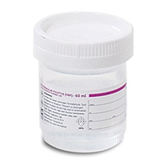
  1. Formalin Container
 
OR
 
  1. Non-Sterile Liquid-Proof Container
  • Medium to large specimens for routine processing that do not fit in prefilled formalin containers can be can be sent in specimen containers without formalin
  • Anatomic Pathology staff will add formalin when the specimen is received in the lab

Unacceptable Conditions

Unacceptable Conditions:
Specimens are considered unacceptable and will be rejected if the following conditions apply:

  1. Specimens that have been frozen
  2. Specimens that have been preserved in fixatives other than formalin
  3. Specimens that have been preserved in heavy metal fixatives (B-4 or B-5)
  4. Specimens without any tumor present in tissue
  5. Specimens that have been decalcified
  6. Unlabeled or mislabeled specimens


Suboptimal Conditions:
Culture and analysis will be attempted on specimens received under the following conditions, but results may be suboptimal:

  1. Specimens that have been improperly collected, stored, or transported (unless listed above)
  2. Specimens with insufficient volume for testing

Storage/Transport Temperature

*Specimens should be collected and transported to the Surgical Pathology Lab for FFPE Tissue Block preparation
 
Transport Instructions
Collection LocationSpecimen TypeTransport TemperatureTimeframe
ED/
Inpatient
Fresh SpecimenRoom TemperatureSpecimen must be received by the lab within 1 hour of collection
Refrigerated (Ice Packs)Specimen must be received by the lab within 24 hours of collection
Formalin Fixed SpecimenRoom TemperatureSpecimen must be received by the lab within 24 hours of collection
Laboratory/
Outpatient/
Off-Site 
Fresh SpecimenRoom TemperatureSpecimen must be received by the lab within 1 hour of collection
Refrigerated (Ice Packs)Specimen must be received by the lab within 24 hours of collection
Formalin Fixed SpecimenRoom TemperatureSpecimen must be received by the lab within 24 hours of collection

Storage: 
  • Fixed Specimens: Room Temperature
  • Fresh Specimens: Refrigerated

Stability (from collection to initiation)

Stability:
Formalin-Fixed Specimens
  • Room Temperature: 1 week
  • Refrigerated: Not recommended
  • Frozen: Unacceptable
Sterile Container
  • Room Temperature: 3 hours
  • Refrigerated: 24 hours
  • Frozen: Unacceptable
FFPE Tissue Block/Slides
  • Room Temperature: Indefinitely
  • Refrigerated: Indefinitely
  • Frozen: Unacceptable

Laboratory Storage:
*All specimens are stored at the Surgical Pathology Lab
  • Fixed Specimens: Room Temperature
  • Fresh Specimens: Refrigerated
  • FFPE Tissue Blocks/Slides: Room Temperature
Laboratory Retention: 
  • Tissue Slides: 6 months

Collection Instructions

Collection Instructions:

Routine Small and Medium Sized Specimens
  1. Collect Tissue specimen and place into a Sterile Container with enough 10% formalin to cover the tissue by at least 2 - 3 inches.

  • Breast Specimens: Immerse in fixative within 1 hour of biopsy or resection procedure for optimum tissue processing. Document the time that the tissue was placed into formalin.
  • Suspicion of Lymphoma: Send FRESH. Do NOT place specimen into formalin.
*Must state that lymphoma protocol is needed on requisition
 
  1. Specimens should be delivered to the Surgical Pathology Lab as soon as possible.  If delivery of a resection specimen to the Surgical Pathology department is delayed (e.g. specimens from remote sites), the tumor should be bisected prior to immersion in fixative.
  • It is important that the surgeon ensure that the identity of the resection margins is retained in the bisected specimen
  • Alternatively, the margins may be separately submitted
  1. Ensure that the cap is tightly secured on the Collection Container
  2. The time of removal of the tissue and the time of immersion of the tissue in fixative should be recorded and submitted to the laboratory

Routine Large Sized Specimens
  1. Collect tissue specimen and place in large leak-proof container
  2. Bring specimen to the Surgical Pathology laboratory immediately, or refrigerate

Specimen Container Labeling Instructions:
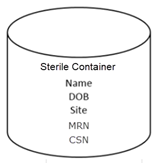
  1. Specimen Containers submitted to Surgical Pathology must be labeled with the following patient information:
  • First and Last Name
  • Date of Birth
  • Medical Record Number
  • CSN Number
  • Name of Specimen Site/Source
*If more than one site is sampled, a separate collection container must be submitted for each site
 
  1. Check all labeling of containers prior to leaving the collection site
 
  1. Place the following in a biohazard bag for transport to the Surgical Pathology Lab:
*If more than one site is sampled, all specimen material collected must be packaged and separated according to specimen site
 
  • Specimen Containers
  • Specimen Requisitions

Processing Instructions (Surgical Pathology Laboratory):

  1. Formalin Fix fresh tissues in 10% Neutral Buffered Formalin
    • Specimen must be placed in 10% neutral buffered formalin within an hour of collection (Cold Ischemia Time (CIT)) and fixed for a total of 6 to 72 hours prior to histology processing
  2. Paraffin-embed the fixed tissue and prepare FFPE Tissue Block


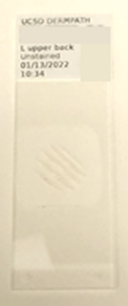
  1. Prepare the following by cutting 5 micron sections from the FFPE tissue and mounting on positively charged glass slides:
    • 4 unstained slides with 5 micron sections


      AND

    • 1 H&E stained slide with a 5 micron section. Circle the area of interest.

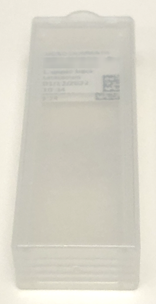
  2. Place slides into a protective container, protect the slides from excessive heat, and transport to the Cytogenetics Laboratory for testing


  3. Include the Surgical Pathology report with the specimen

Special Processing Instructions After Hours

In case there is a test sample determined "STAT" by the ordering physician, genetic counselor, or provider to be routed to CALM Cytogenetics and it is outside regular business hours (after hours, holidays, or weekends) please contact:

NAME: Cytogenetics Team

PAGER: 619-290-8698

Please be aware that ALL neonatal testing ordered for Cytogenetics is considered "STAT" as well.

Point of contact (above) will follow up on cascading down information as needed.

Thanks for your cooperation.

Reference Interval

By Report

Interpretive Data

*Refer to report for result specific interpretation details.

UCSD uses the most recent ASCO/CAP interpretation criteria for evaluating ERBB2 (HER2) status.

Ordering

Ordering Recommendations

This test is only orderable by Surgical Pathology and is intended for the following uses:

  1. Aid in prediction of response to HER2-directed therapy in patients with breast carcinoma or gastroesophageal adenocarcinoma
  2. Confirmation of equivocal HercepTest (2+) immunohistochemistry (IHC) result

Performed

Monday - Friday

Methodology

Fluorescence In Situ Hybridization (FISH)

Reported

Routine: 3 - 7 days

Synonyms

  • Fluorescence In Situ Hybridization (FISH)
  • HER-2/neu by FISH
  • HER2 by FISH
  • ERBB2 by FISH
  • HER-2/neu FISH
  • HER2 FISH
  • ERRB2 FISH
  • Formalin-Fixed Paraffin-Embedded (FFPE)
  • HER2/CEP17 Ratio
  • Cytogenetics Laboratory

Performing Lab

Cytogenetics / Cytogenomics

Turnaround Time

*These studies involve culturing of living cells; therefore, turnaround times given represent average times which are subject to multiple variables. Time required for testing can vary depending on specimen type and probes ordered.

After specimen receipt, results are generally available as follows:
  • Average TAT: 5 days

Add-on Eligibility

Yes
*Add-on orders can be accepted for specimens already submitted to the Cytogenetics Lab for testing so long as the specimen or cell pellet is still available.
Collection

Specimen Type

Tumor Tissue

Specimen Preparation

  1. Formalin Fix the specimen by submerging the Tissue in 10% Neutral Buffered Formalin
  2. Send the Formalin-Fixed Tissue to the Anatomic Pathology Lab
  3. The Anatomic Pathology Lab will paraffin-embed the tissue and prepare a Tissue Block
  4. The Tissue block will be sent to the Cytogenetics Laboratory for testing

Specimen Volume

Fresh Tissue Size: 1 cm3 (Minimum: 0.5 cm3)

Fixative Volume: 15 times the volume of the tissue
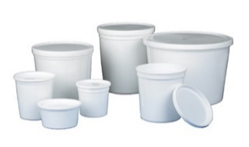
*This refers to specimen volume at collection prior to any processing

Collection Container

  1. Formalin Container
 
OR
 
  1. Non-Sterile Liquid-Proof Container
  • Medium to large specimens for routine processing that do not fit in prefilled formalin containers can be can be sent in specimen containers without formalin
  • Anatomic Pathology staff will add formalin when the specimen is received in the lab

Unacceptable Conditions

Unacceptable Conditions:
Specimens are considered unacceptable and will be rejected if the following conditions apply:

  1. Specimens that have been frozen
  2. Specimens that have been preserved in fixatives other than formalin
  3. Specimens that have been preserved in heavy metal fixatives (B-4 or B-5)
  4. Specimens without any tumor present in tissue
  5. Specimens that have been decalcified
  6. Unlabeled or mislabeled specimens


Suboptimal Conditions:
Culture and analysis will be attempted on specimens received under the following conditions, but results may be suboptimal:

  1. Specimens that have been improperly collected, stored, or transported (unless listed above)
  2. Specimens with insufficient volume for testing

Storage/Transport Temperature

*Specimens should be collected and transported to the Surgical Pathology Lab for FFPE Tissue Block preparation
 
Transport Instructions
Collection LocationSpecimen TypeTransport TemperatureTimeframe
ED/
Inpatient
Fresh SpecimenRoom TemperatureSpecimen must be received by the lab within 1 hour of collection
Refrigerated (Ice Packs)Specimen must be received by the lab within 24 hours of collection
Formalin Fixed SpecimenRoom TemperatureSpecimen must be received by the lab within 24 hours of collection
Laboratory/
Outpatient/
Off-Site 
Fresh SpecimenRoom TemperatureSpecimen must be received by the lab within 1 hour of collection
Refrigerated (Ice Packs)Specimen must be received by the lab within 24 hours of collection
Formalin Fixed SpecimenRoom TemperatureSpecimen must be received by the lab within 24 hours of collection

Storage: 
  • Fixed Specimens: Room Temperature
  • Fresh Specimens: Refrigerated

Stability (from collection to initiation)

Stability:
Formalin-Fixed Specimens
  • Room Temperature: 1 week
  • Refrigerated: Not recommended
  • Frozen: Unacceptable
Sterile Container
  • Room Temperature: 3 hours
  • Refrigerated: 24 hours
  • Frozen: Unacceptable
FFPE Tissue Block/Slides
  • Room Temperature: Indefinitely
  • Refrigerated: Indefinitely
  • Frozen: Unacceptable

Laboratory Storage:
*All specimens are stored at the Surgical Pathology Lab
  • Fixed Specimens: Room Temperature
  • Fresh Specimens: Refrigerated
  • FFPE Tissue Blocks/Slides: Room Temperature
Laboratory Retention: 
  • Tissue Slides: 6 months

Collection Instructions

Collection Instructions:

Routine Small and Medium Sized Specimens
  1. Collect Tissue specimen and place into a Sterile Container with enough 10% formalin to cover the tissue by at least 2 - 3 inches.

  • Breast Specimens: Immerse in fixative within 1 hour of biopsy or resection procedure for optimum tissue processing. Document the time that the tissue was placed into formalin.
  • Suspicion of Lymphoma: Send FRESH. Do NOT place specimen into formalin.
*Must state that lymphoma protocol is needed on requisition
 
  1. Specimens should be delivered to the Surgical Pathology Lab as soon as possible.  If delivery of a resection specimen to the Surgical Pathology department is delayed (e.g. specimens from remote sites), the tumor should be bisected prior to immersion in fixative.
  • It is important that the surgeon ensure that the identity of the resection margins is retained in the bisected specimen
  • Alternatively, the margins may be separately submitted
  1. Ensure that the cap is tightly secured on the Collection Container
  2. The time of removal of the tissue and the time of immersion of the tissue in fixative should be recorded and submitted to the laboratory

Routine Large Sized Specimens
  1. Collect tissue specimen and place in large leak-proof container
  2. Bring specimen to the Surgical Pathology laboratory immediately, or refrigerate

Specimen Container Labeling Instructions:
  1. Specimen Containers submitted to Surgical Pathology must be labeled with the following patient information:
  • First and Last Name
  • Date of Birth
  • Medical Record Number
  • CSN Number
  • Name of Specimen Site/Source
*If more than one site is sampled, a separate collection container must be submitted for each site
 
  1. Check all labeling of containers prior to leaving the collection site
 
  1. Place the following in a biohazard bag for transport to the Surgical Pathology Lab:
*If more than one site is sampled, all specimen material collected must be packaged and separated according to specimen site
 
  • Specimen Containers
  • Specimen Requisitions

Processing Instructions (Surgical Pathology Laboratory):
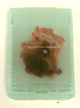
  1. Formalin Fix fresh tissues in 10% Neutral Buffered Formalin
    • Specimen must be placed in 10% neutral buffered formalin within an hour of collection (Cold Ischemia Time (CIT)) and fixed for a total of 6 to 72 hours prior to histology processing
  2. Paraffin-embed the fixed tissue and prepare FFPE Tissue Block


  1. Prepare the following by cutting 5 micron sections from the FFPE tissue and mounting on positively charged glass slides:
    • 4 unstained slides with 5 micron sections


      AND

    • 1 H&E stained slide with a 5 micron section. Circle the area of interest.

  2. Place slides into a protective container, protect the slides from excessive heat, and transport to the Cytogenetics Laboratory for testing


  3. Include the Surgical Pathology report with the specimen

Special Processing Instructions After Hours

In case there is a test sample determined "STAT" by the ordering physician, genetic counselor, or provider to be routed to CALM Cytogenetics and it is outside regular business hours (after hours, holidays, or weekends) please contact:

NAME: Cytogenetics Team

PAGER: 619-290-8698

Please be aware that ALL neonatal testing ordered for Cytogenetics is considered "STAT" as well.

Point of contact (above) will follow up on cascading down information as needed.

Thanks for your cooperation.
Result Interpretation

Reference Interval

By Report

Interpretive Data

*Refer to report for result specific interpretation details.

UCSD uses the most recent ASCO/CAP interpretation criteria for evaluating ERBB2 (HER2) status.